
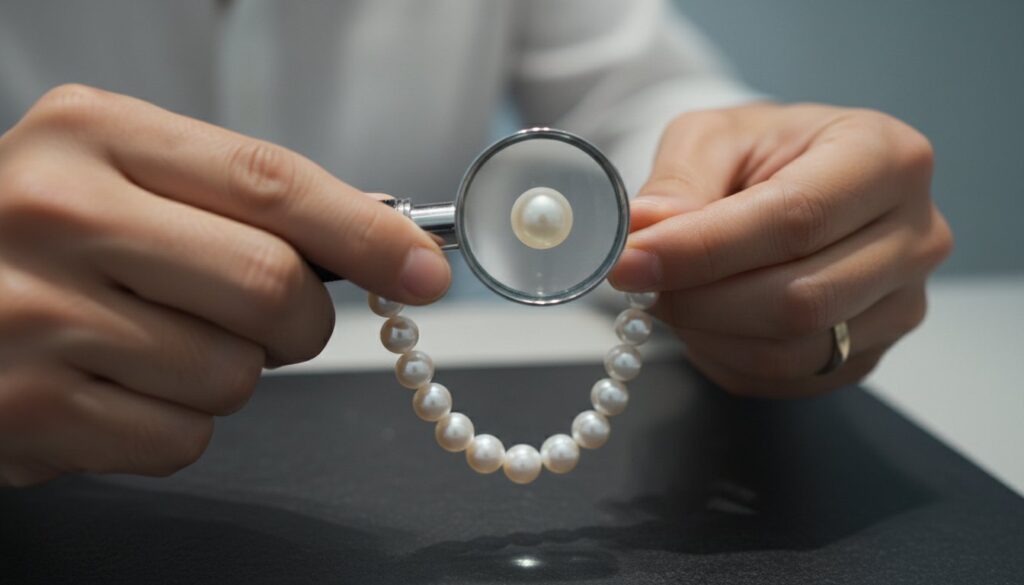
What if the pearl necklace you’ve been eyeing isn’t what it seems? The signs of high quality pearl jewelry can often be elusive, leaving many buyers feeling apprehensive about overpaying for low-grade imitations. You’re not alone in this concern; countless Australians grapple with the confusion surrounding pearl grading standards and the challenge of distinguishing genuine pearls from clever fakes. But fear not, because this comprehensive buying guide is here to empower you. You’ll discover how to identify top-tier pearl jewelry by understanding essential quality indicators, ensuring your purchase is both wise and satisfying. Join us as we delve into the world of pearls, unraveling the nuances that set the exquisite apart from the ordinary.
Key Takeaways
- Learn to evaluate the essential quality factors of pearls, including size, shape, and luster, to ensure your purchase is worth the investment.
- Discover the signs of high quality pearl jewelry, empowering you to make informed choices when selecting exquisite pieces.
- Understand the importance of pearl certification and how to perform simple authenticity tests to avoid counterfeit items.
- Get practical tips for setting a budget and researching reputable jewelers, enhancing your shopping experience.
- Explore Dryft’s commitment to quality through their ethically sourced Pearl String Bracelet, merging rugged durability with refined elegance.
Understanding Pearl Quality: What Makes a Pearl Exceptional?
When it comes to identifying the signs of high quality pearl jewelry, several key factors come into play: size, shape, color, luster, surface quality, and nacre thickness. Each of these elements plays a critical role in determining both the value and desirability of pearls, setting the stage for a discerning choice in jewelry. Understanding these factors can help you appreciate what makes a pearl truly exceptional.
The Importance of Size and Shape in Pearl Valuation
Size is often the first aspect that catches the eye. Larger pearls are generally more valuable, as they are rarer in nature. For instance, a pearl measuring over 10mm is considered large and can command higher prices. Shape also plays a crucial role; round pearls are the most prized due to their uniform appearance, reflecting light evenly. While round shapes reign supreme, baroque pearls, with their unique and varied forms, are gaining popularity for their artistic allure.
Color and Luster: The Visual Appeal of Pearls
The color spectrum of pearls ranges from classic whites to deep blacks, with various overtones adding complexity. For instance, Akoya pearls often exhibit a white or cream color with pink or silver overtones, while Tahitian pearls can showcase a dramatic black hue with green or peacock overtones. Luster, the reflective quality of a pearl’s surface, is another vital indicator of quality. High luster signifies a thick layer of nacre, enhancing the pearl’s shine and depth. A pearl with exceptional luster will have a mirror-like finish that draws the eye and captivates the beholder.
Different types of pearls exhibit varying qualities. Akoya pearls, renowned for their high luster and spherical shape, are typically smaller and more uniform. Tahitian and South Sea pearls, on the other hand, are larger and often come in unique colors, making them exceptionally desirable. Freshwater pearls are more varied in shape and size, but they can still exhibit stunning qualities.
In summary, by understanding these key characteristics, you can better identify the signs of high quality pearl jewelry. Whether you seek an elegant Akoya or a bold Tahitian pearl, recognizing the importance of size, shape, color, luster, surface quality, and nacre thickness will guide you toward making a well-informed decision.
Decoding Pearl Quality Factors: A Simplified Guide
The allure of pearl jewelry lies not only in its beauty but also in the craftsmanship that defines its quality. To identify the signs of high quality pearl jewelry, one must consider several factors that contribute to a pearl’s overall value. Here’s a closer look at the essential elements.
- Size: Larger pearls often command higher prices. For instance, a 10mm pearl can be significantly more valuable than an 8mm pearl, reflecting its rarity.
- Shape: The most desired pearls are perfectly round. However, baroque shapes can also be beautiful but generally hold less value.
- Color: Consistent and vibrant hues are indicative of quality. For example, deep, rich colors such as peacock green or golden yellow are particularly sought after.
- Luster: High-quality pearls exhibit a bright, mirror-like reflection. This luster is a key indicator of the pearl’s health and quality.
Surface Quality: Spotting Flaws and Imperfections
The surface of a pearl should be smooth with minimal blemishes. Tiny spots or minor imperfections are common; however, large flaws can significantly reduce a pearl’s value. Always check for cracks or chips, as these imperfections affect not just appearance but also longevity.
Nacre Thickness: The Backbone of Pearl Durability
Nacre thickness is crucial for a pearl’s durability. Pearls with thicker nacre are more resilient and less likely to peel or lose their shine. Thin nacre can result in dullness and a short lifespan. To ensure quality, consider professional grading to verify nacre thickness and overall quality.
Understanding these factors will help you discern the signs of high quality pearl jewelry, ensuring you invest in pieces that resonate with both elegance and durability. For more insights on quality craftsmanship, explore the offerings at Dryft.
Ensuring Authenticity: How to Identify Genuine Pearls
The allure of pearl jewelry lies not only in its beauty but also in its authenticity. Understanding the signs of high quality pearl jewelry involves knowing how to differentiate between real and imitation pearls. This knowledge empowers you to make informed purchases, ensuring you invest in products that reflect true value.
Certification and Traceability: Buying with Confidence
One of the primary indicators of genuine pearls is proper certification. Reputable retailers often provide certificates from recognized gemological institutes that verify the authenticity of their pearls. These certificates should detail the pearl’s type, size, shape, and origin. Additionally, traceable origins signal ethical sourcing, allowing you to support sustainable practices. Always inquire about the retailer’s reputation. A respected dealer not only stands behind their products but also contributes to the overall integrity of the pearl market.
Simple At-Home Tests for Pearl Authenticity
If you’re unsure about the authenticity of pearls, several simple at-home tests can help you verify their quality:
- Tooth Test: Real pearls have a gritty texture. When rubbed against your teeth, genuine pearls will feel slightly rough, while imitations will feel smooth.
- Surface Inspection: Examine the pearls closely. Genuine pearls typically exhibit slight irregularities in their surface, whereas fake pearls usually have a uniform, plastic-like appearance.
- Weight Test: Real pearls are denser and therefore heavier than most imitations. Hold a pearl in your hand; if it feels surprisingly light, it might not be genuine.
These tests provide a quick and effective means of assessing quality, but they are not substitutes for professional evaluation.
Be cautious of common imitation techniques. Popular methods include using plastic or glass that mimics the luster of real pearls. Some retailers may even market these imitations as genuine, leveraging terms like “cultured” to mislead consumers. Always rely on trusted sources to ensure you’re investing in pieces that truly embody the essence of high-quality pearl jewelry.
In conclusion, ensuring the authenticity of pearl jewelry is crucial for appreciating its true beauty and value. By utilizing certification, conducting simple tests, and relying on reputable retailers, you can confidently identify genuine pearls that will stand the test of time.
Practical Tips for Choosing High-Quality Pearl Jewelry
Choosing high-quality pearl jewelry involves more than just an eye for beauty; it requires careful consideration of various factors. Start by setting a budget that reflects the quality and type of pearls you desire. Quality pearls come with a price tag, and being clear about your budget helps narrow your options without compromising on excellence.
Next, research reputable jewelers known for their quality pearls. Look for reviews and testimonials that highlight their craftsmanship and service. Inspecting pearls in person is ideal, but if that’s not possible, request detailed images to assess their quality. Remember, the setting of the pearl jewelry can significantly affect its appearance, so consider how the jewelry setting complements the pearl itself.
Evaluating Jewelry Settings and Their Impact
The setting should enhance the pearl’s natural beauty, not overshadow it. Look for designs that allow the pearl to shine. Additionally, check for secure fittings; a pearl that’s not well-secured is at risk of being lost. The choice of metal can also influence the pearl’s color. For instance, a white pearl set in yellow gold can appear warmer, while a silver setting may enhance its cool tones.
Questions to Ask Your Jeweler Before Purchase
Before making a purchase, ask your jeweler about the pearl’s origin and grading. Understanding whether the pearl is natural or cultured can inform you about its quality and value. Inquire about return policies; reputable jewelers should stand by their products. Lastly, seek guidance on care and maintenance to ensure your pearl jewelry remains in pristine condition for years to come.
These practical tips will not only help you identify the signs of high quality pearl jewelry but also ensure you make an informed purchase. For a deeper dive into selecting timeless pieces, check out Handcrafted Pearl Jewelry Australia: The Art of Choosing a Timeless Piece in 2026.
Whether you’re a seasoned collector or a first-time buyer, your journey into the world of pearls deserves the right guidance. Discover more about quality jewelry options at Dryft.
Dryft’s Commitment to Quality: The Pearl String Bracelet
At Dryft, our passion for craftsmanship and ethical sourcing shines through in every piece of jewelry we create, especially our exquisite Pearl String Bracelet. This stunning piece is a testament to our commitment to high-quality pearl jewelry, embodying both sophistication and rugged capability. Each bracelet is handcrafted with meticulous attention to detail, ensuring that every pearl is not only beautiful but also ethically sourced from sustainable environments.
Craftsmanship and Design: What Sets Dryft Apart
Handcrafted quality is at the heart of the Pearl String Bracelet. Our artisans dedicate countless hours to perfecting each piece, selecting only the highest-grade pearls that meet our rigorous quality standards. Ethically sourced materials form the foundation of our creations, reflecting our belief that luxury should never come at the cost of the planet. The unique, timeless designs of our pearl jewelry resonate with the modern adventurer, seamlessly blending elegance with a rugged aesthetic.
Customer Trust and Satisfaction: Dryft’s Promise
Dryft takes pride in our high customer satisfaction ratings, which speak volumes about the quality and appeal of our products. We maintain transparent sourcing and production processes, allowing customers to understand the journey of their jewelry from ocean to adornment. We actively encourage feedback, viewing it as a vital tool in our quest for continuous improvement. This commitment to listening to our customers ensures that we consistently uphold the signs of high-quality pearl jewelry.
The Pearl String Bracelet is more than just an accessory; it’s a statement of individuality and a celebration of craftsmanship. Each piece tells a story, inviting wearers to embrace their adventurous spirit while enjoying the elegance of fine pearls. We invite you to explore Dryft’s pearl collection and discover the perfect piece that resonates with your own journey. Embrace the blend of luxury and ruggedness that only Dryft can offer.
Embrace the Beauty of Quality Pearls
When selecting pearl jewelry, remember the signs of high quality pearl jewelry-from luster and surface quality to shape and size. Understanding these factors ensures you invest in pieces that not only shine but also stand the test of time. Always verify authenticity to avoid imitations, and choose brands that prioritize craftsmanship and ethical sourcing.
Take the next step in your jewelry journey by exploring Dryft’s collection of exquisite pearl jewelry today. Our pieces are handcrafted with care, embodying the perfect blend of rugged capability and refined luxury. Join a community that values quality and adventure, and let your jewelry reflect the spirit of exploration.
Frequently Asked Questions
What factors determine the quality of pearl jewelry?
The quality of pearl jewelry is determined by several key factors: the type of pearl, size, luster, surface quality, and nacre thickness. High-quality pearls often come from specific species like Akoya or South Sea, known for their exceptional luster and durability. Additionally, surface blemishes can significantly impact the overall appearance and value, making smooth, unblemished pearls more desirable.
How can I tell if a pearl is real or fake?
To determine if a pearl is real, you can perform a simple test. Real pearls typically feel cool to the touch and have a slightly rough texture, while fake pearls often feel smooth and warm. You can also rub the pearls against your teeth; real pearls will have a gritty feel while imitation pearls will feel slick.
What is nacre and why is it important in pearls?
Nacre, also known as mother-of-pearl, is the substance that forms the layers of a pearl. The thickness and quality of nacre are crucial indicators of a pearl’s quality. Pearls with thicker nacre tend to have a richer luster and are more durable, making them highly sought after in high-quality pearl jewelry.
Are larger pearls always better?
Larger pearls are not always better; while size can enhance the visual impact, it’s just one element of quality. For instance, a smaller pearl with superior luster and nacre thickness can be more valuable than a larger pearl with poor quality. High-quality pearl jewelry balances size with other quality indicators for true value.
How does the luster of a pearl affect its value?
The luster of a pearl significantly affects its value, as it reflects the quality of the nacre. Pearls with high luster display a sharp, mirror-like finish that enhances their beauty. Typically, the more reflective the surface, the higher the pearl’s value. In high-quality pearl jewelry, luster is often considered more important than size.
What should I look for in a pearl certificate?
A pearl certificate should include essential information such as the type of pearl, size, shape, color, luster, and nacre thickness. It’s also important that the certificate is issued by a reputable grading organization. This document provides assurance of the pearl’s authenticity and quality, making it a vital part of high-quality pearl jewelry purchases.
Does the setting affect the quality of pearl jewelry?
The setting does impact the overall quality of pearl jewelry, as a well-crafted setting enhances the beauty and security of the pearls. High-quality settings, often made from precious metals like gold or platinum, support the pearls and protect them from damage. A beautiful setting complements the pearls, elevating the entire piece’s aesthetic and value.